
Roman Cuisine: Tradition, History, and Flavor
Roman cuisine is one of the most authentic and distinctive in Italy. Born from the meeting of diverse cultures and influences, it is rooted in three major traditions:
- the Jewish tradition, which enriched Rome with iconic dishes and intense flavors,
- the slaughterhouse tradition, linked to popular and resourceful cooking,
- and the peasant tradition from the Lazio countryside, based on simple and genuine ingredients.
Origins and Signature Dishes
From the Jewish-Roman tradition comes cacio e pepe, a simple yet extraordinary pasta dish made only with pasta cooking water, Pecorino Romano and black pepper. From the slaughterhouse tradition comes pajata, a dish for the adventurous palate, made with the intestines of milk-fed veal still containing maternal milk. From the Lazio countryside come the famous porchetta, a flavorful herb-roasted pork, and amatriciana, a rich and savory sauce made with guanciale and tomato, now a symbol of Roman cuisine worldwide.First Courses
The heart of Roman cuisine beats in its first courses. The famous trio — carbonara, gricia, and amatriciana — represents the essence of Roman gastronomy: few ingredients, intense flavors, and a tradition passed down through generations. Alongside these, there are heartier recipes, such as pasta with pajata or coda alla vaccinara sauce, made with beef or ox tail slowly cooked until tender.Second Courses
Roman tradition offers a variety of second courses that reflect a deep connection to the land and popular origins. Among the most representative are abbacchio (milk-fed lamb), pollo alla romana with peppers, rabbit alla cacciatora, baccalà, and offal, a testimony to the resourceful and humble cooking of the past. According to tradition, fish is served on Tuesdays and Fridays, days dedicated to the freshest catch of the week.Vegetables and Seasonal Dishes
Vegetables play a fundamental role in Roman cuisine. The stars are Roman zucchini, sautéed chicory, puntarelle, Romanesco broccoli, and artichokes, the queens of winter, served alla romana or alla giudia. With spring comes vignarola, a light and fragrant dish made with fava beans, peas, and artichokes, symbolizing the awakening of seasonal flavors.Desserts and Tradition
Among desserts, Roman tradition offers true delights. The maritozzo, a soft brioche sliced and filled with fresh cream, is the star of Roman breakfasts. Legend has it that in the past gentlemen used to hide an engagement ring inside the cream to surprise their beloved — a romantic gesture that has made the maritozzo a uniquely Roman symbol of love. Completing the picture are tiramisu, ricotta and sour cherry tart (a classic of Jewish-Roman pastry), and grandmother’s cake, filled with custard and pine nuts. Simple and genuine desserts that capture the warmth of tradition.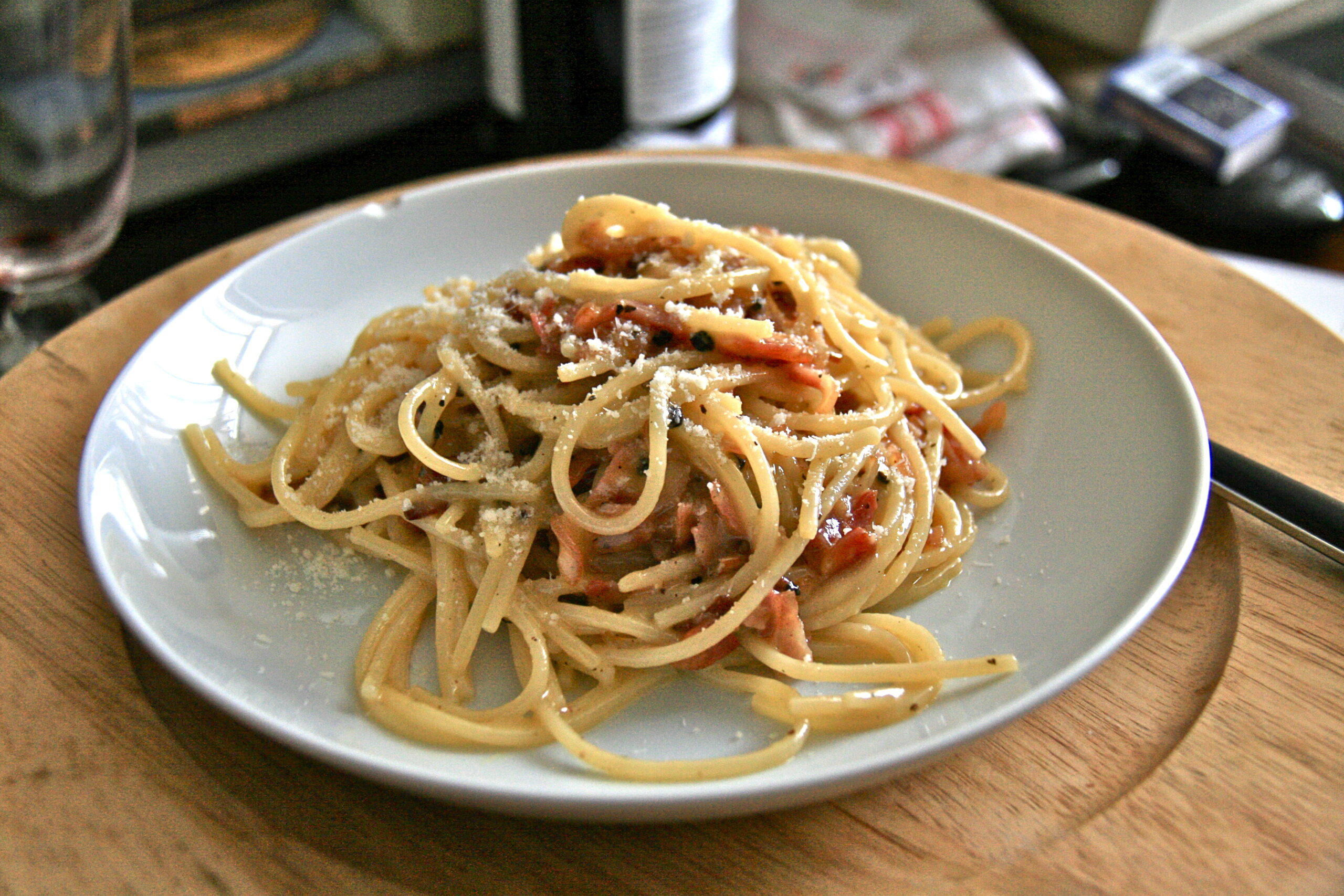
What People Eat During the Day
In Rome, food marks the rhythm of daily life and becomes a ritual of pleasure.- Breakfast It is enjoyed at the bar with a cappuccino and a maritozzo or a croissant. It is a relaxed moment, spent standing at the counter or sitting at small tables, chatting with the barista.
- Lunch This is the main meal of the day, often consisting of a hearty first course — such as carbonara or cacio e pepe — followed by a light second course and a side of vegetables.
- Aperitivo In the late afternoon comes the moment for a drink or a glass of wine accompanied by small snacks: olives, cheeses, cold cuts, or mini pizzas. It is a social ritual, perfect for relaxing before dinner.
- Dinner This is the most convivial moment of the day. Dinner is eaten late, often after 8:00 PM, with rich and flavorful dishes: pasta, abbacchio, coda alla vaccinara, or seasonal artichokes, accompanied by a good local wine and, to finish, a dessert or an ammazzacaffè.